
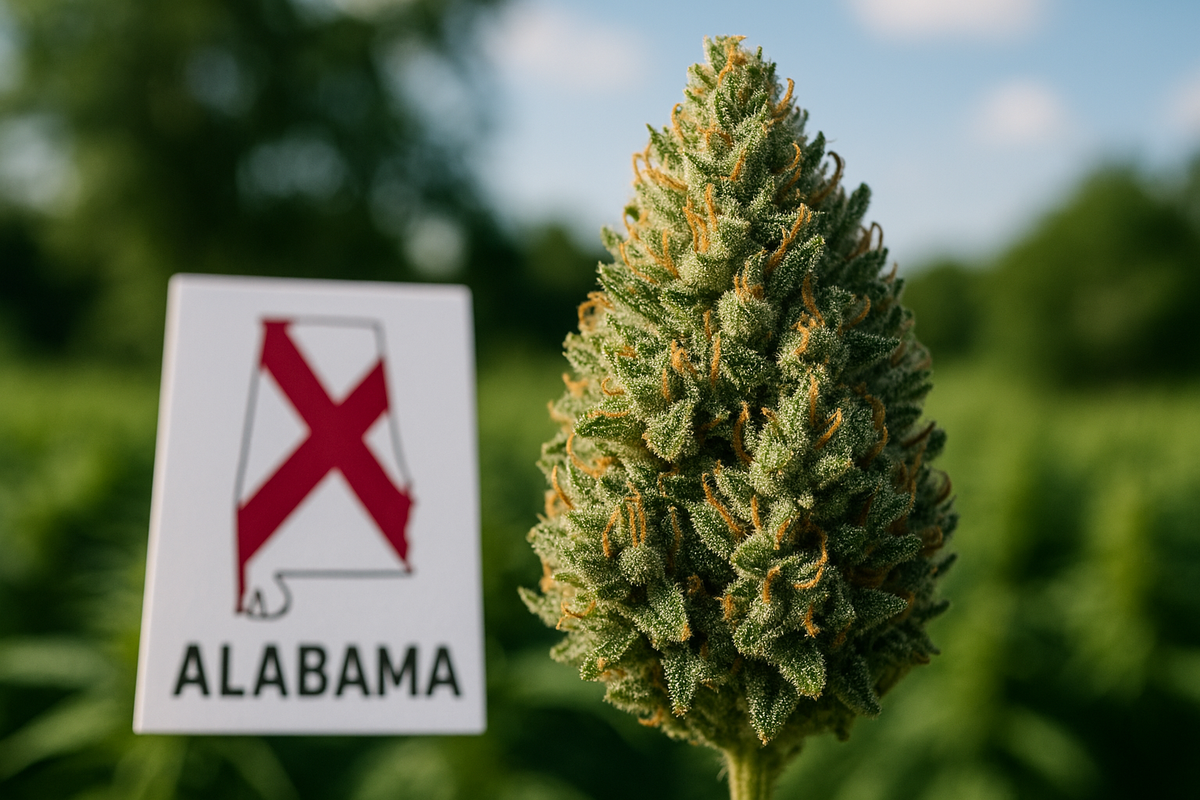
Is THCA Legal in Alabama? Here’s What You Need to Know
If you’ve been asking, “Is THCA legal in Alabama?”, you’re not alone. With hemp and cannabis laws evolving rapidly across the United States, confusion is common. THCA—short for tetrahydrocannabinolic acid—has become increasingly popular among hemp enthusiasts for its potential to deliver THC-like effects once heated. But when it comes to legality, the distinction between THCA and THC isn’t always crystal clear.
In this guide, we’ll break down how Alabama THCA laws define hemp and marijuana, what federal rules say about THCA hemp flower, and whether you can legally buy or possess high THCA hemp flower in Alabama.
By the end, you’ll understand:
-
How Alabama defines hemp versus marijuana
-
Why THCA’s legality depends on federal testing methods
-
What consumers and retailers need to know before buying or selling THCA flower
Let’s dive into the details so you can stay informed, compliant, and confident.
Understanding THCA and Its Legal Definition in Alabama
THCA, or tetrahydrocannabinolic acid, is a naturally occurring compound found in hemp flower. On its own, it’s non-intoxicating. However, when heated—through smoking, vaping, or baking—it converts into delta-9 THC, the psychoactive component associated with cannabis.
Why THCA Matters in Alabama’s Legal Landscape
THCA exists in a legal gray area. The 2018 Farm Bill federally legalized hemp as long as it contains less than 0.3% delta-9 THC by dry weight. This federal definition, however, doesn’t explicitly include THCA unless labs apply a “total THC” formula that predicts how much THC will form after decarboxylation.
In Alabama, THCA hemp flower is technically legal if it meets the federal delta-9 THC limit. But because THCA can convert into THC, enforcement can vary depending on testing and interpretation.
Key implications:
-
Federal protection: Hemp with less than 0.3% delta-9 THC is legal nationwide.
-
State alignment: Alabama follows the federal hemp definition.
-
Testing nuance: Some labs use “total THC” testing, counting THCA toward the legal threshold.
This means THCA flower might appear compliant on paper but could still raise red flags if local law enforcement interprets it differently.
How Alabama Regulates Hemp and THCA Products
Alabama’s Hemp Law and Oversight
Following the 2018 Farm Bill, Alabama legalized industrial hemp. The Alabama Department of Agriculture and Industries (ADAI) oversees licensing, cultivation, and compliance for all hemp growers and processors. However, when it comes to THCA hemp flower wholesale or retail products, the regulations can get tricky.
How Alabama Defines Hemp and Marijuana
Under THCA regulations in Alabama, both hemp and marijuana come from Cannabis sativa L. The key difference lies in THC concentration. Hemp must contain no more than 0.3% delta-9 THC, while any product exceeding that amount is considered marijuana—a controlled substance under state law.
This means a product can be considered legal hemp in Alabama if it stays below that delta-9 limit, even if it contains measurable THCA—unless total THC testing pushes it over the threshold.
How Testing Methods Affect THCA Legality
The testing method makes all the difference. Many labs use post-decarboxylation testing, which measures both delta-9 THC and potential THC derived from THCA.
If this total THC calculation exceeds 0.3%, the product may be deemed illegal, even if the raw delta-9 content is compliant.
Pro Tip: Always check a product’s Certificate of Analysis (COA) for total THC values, not just delta-9 THC.
How Alabama Enforces Hemp Possession and Sales
While Alabama allows hemp-derived products, law enforcement remains cautious around anything resembling marijuana. Retailers must ensure their hemp flower company products meet federal standards, and consumers should be prepared to present lab reports if questioned.
Possessing high THCA hemp flower may be lawful federally but could still invite legal scrutiny within the state, especially if the product looks or smells like traditional cannabis.
For consumers, this means:
-
Always buy from trusted brands like HempFlower.com
-
Keep COAs accessible when traveling with hemp
-
Avoid smoking in public where cannabis is prohibited
Practical Applications and Use Cases for THCA in Alabama
Despite the legal gray areas, THCA continues to attract attention for its potential benefits. Here’s how Alabama residents are using it:
Use Case 1: Wellness and Non-Psychoactive Benefits
Some consumers use raw THCA products—like cold-pressed hemp juice or unheated tinctures—for their reported anti-inflammatory and neuroprotective properties. Because these aren’t heated, they remain non-intoxicating and compliant.
Use Case 2: Recreational Hemp Alternatives
Others prefer THCA flower for vaping or smoking, drawn to its potency and aroma. However, heating THCA converts it into delta-9 THC, which could technically breach state marijuana laws. Retailers often label these products “hemp compliant,” but users should proceed with awareness.
Use Case 3: Retail and E-Commerce Opportunities
Retailers in Alabama are seeing rising demand for THCA hemp flower wholesale products. While this creates opportunity, businesses must strictly monitor compliance documents and stay current on thca legal states 2025 updates to remain within the law.
Explore compliant hemp flower collections and wholesale options like THCA flower wholesale DEPS Bigs and THCA flower wholesale exotic smalls to source verified, legal products.
Best Practices and Common Mistakes to Avoid
Even though THCA is technically permitted under federal definitions, both consumers and retailers often make preventable mistakes. Here’s how to stay compliant:
-
Understand total THC compliance: Verify that total THC remains under 0.3%, not just delta-9 THC.
-
Keep documentation handy: Always carry the COA when transporting hemp flower products.
-
Avoid misleading marketing: Don’t promote THCA as a “legal high” alternative—it may draw unwanted attention.
-
Stay updated on Alabama laws: As alabama thca laws evolve, revisit ADAI updates regularly.
-
Buy from trusted sources: Reliable vendors like HempFlower.com test every batch for potency and compliance.
The Future of THCA Legality in Alabama
THCA currently exists in a legal gray area within Alabama’s hemp market. While it aligns with federal hemp definitions, state enforcement and testing practices determine its true legal standing.
As federal agencies reevaluate cannabinoid definitions and states adjust accordingly, it’s possible that THCA regulations in Alabama will tighten—or become more clearly defined. For now, the safest approach is to verify lab reports and purchase only from compliant retailers.
For broader insights into thca legal states 2025, check reliable resources like Forbes, Leafly, NORML, Hemp Industry Daily, and High Times.
FAQs About THCA Legality in Alabama
1. Is THCA legal in Alabama in 2025?
Yes. THCA is legal in Alabama as long as it’s derived from hemp containing less than 0.3% delta-9 THC by dry weight. However, heating or smoking THCA may convert it into THC, potentially making it illegal under marijuana laws.
2. Can you buy THCA flower in Alabama?
Yes. You can legally purchase THCA flower that complies with federal hemp definitions. Always review the COA for total THC compliance before buying.
3. Does Alabama test hemp for THCA content?
Yes. The Alabama Department of Agriculture may use total THC testing, combining delta-9 THC and THCA to determine legality.
4. Is smoking THCA flower considered illegal?
Technically, yes. Once heated, THCA becomes delta-9 THC, which could classify use as marijuana consumption under state law.
5. Will Alabama change its hemp laws soon?
Possibly. With national attention on cannabinoids, lawmakers may revise alabama thca laws to clarify total THC standards in the near future.
Share:
THCA Legal in Wisconsin? 2025 Legal Status Explained
Is THCA Legal in NC? Here’s What North Carolina Residents Should Know