
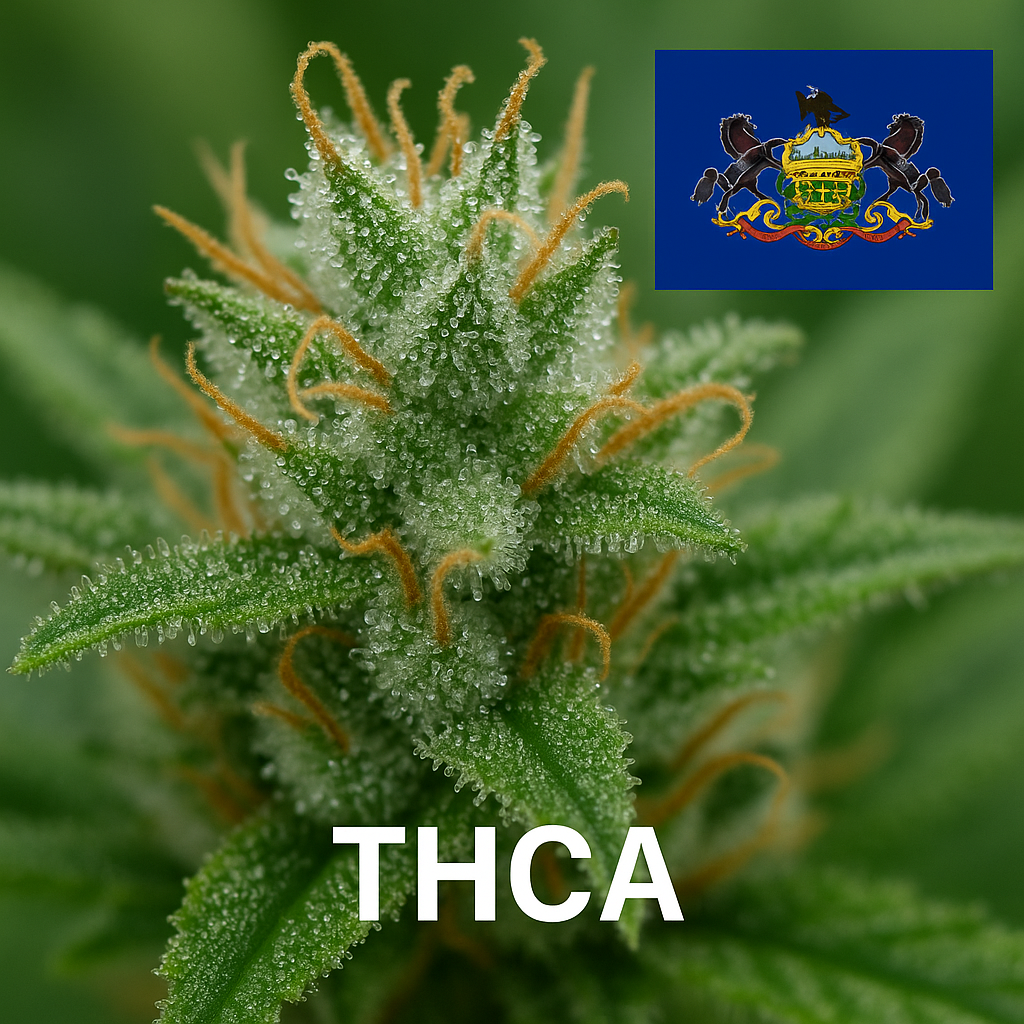
If you’ve been searching for clarity on is thca legal in pennsylvania, you’re not alone. With new hemp-derived cannabinoids gaining popularity, many consumers feel uncertain about changing rules, especially around thca, thca flower, thca hemp, and hemp flower products. As the market evolves and enforcement varies, understanding how Pennsylvania interprets hemp regulations is essential for both buyers and retailers.
The core issue comes down to how THCA behaves and how the law defines it. While THCA is non-intoxicating in its raw form, it converts into Delta 9 THC when heated, and that conversion matters legally. Consumers want safe access, retailers want clarity, and regulators want compliance, which makes understanding the rules essential.
In this guide, you’ll learn exactly where THCA stands in Pennsylvania law, how retailers test and classify thca hemp flower, and what safeguards buyers should consider. By the end, you’ll understand:
How Pennsylvania interprets hemp-derived THCA.
Whether THCA flower is treated differently than gummies, vapes, or extracts.
What to look for in compliant lab reports and product labeling.
Let’s break down the laws step by step so you can shop confidently and stay within Pennsylvania regulations.
Understanding Pennsylvania’s Interpretation of THCA
Pennsylvania’s approach to THCA starts with federal hemp law. The 2018 Farm Bill legalized hemp and hemp-derived cannabinoids as long as Delta 9 THC remains below 0.3 percent on a dry weight basis. That definition focuses on Delta 9 THC specifically rather than THCA, which is why many compliant hemp products remain legal even when they contain higher THCA levels.
Pennsylvania follows the federal definition, meaning hemp products are legal if their Delta 9 THC content stays below the threshold. However, because THCA converts into Delta 9 THC when heated, some regulators treat thca flower with more scrutiny. This creates enforcement inconsistencies that consumers should be aware of.
Much of the current legal interpretation mirrors broader cannabis policy discussions found through reputable sources such as NORML and cannabis industry insights from Leafly. Both offer helpful background information that can support Pennsylvania consumers seeking clarity.
Key benefits of understanding these rules include:
Helps consumers avoid non compliant products.
Reduces confusion around testing results.
Improves purchasing confidence and safety.
Ensures retailers stay aligned with state expectations.
The misconception that THCA itself is prohibited often stems from testing differences rather than law. Understanding how those tests work helps set the foundation for compliance.
How THCA Laws Work in Pennsylvania
Understanding how compliance works ensures buyers make informed choices and retailers stay aligned with state expectations.
Essential Steps for Compliance
This step focuses on reviewing COAs properly. Regulators examine Delta 9 THC concentration, so selecting products with clearly documented cannabinoid profiles is critical. Choosing retailers who publish transparent COAs, such as those available through the hemp flower marketplace at Hempflower.com, helps consumers stay within legal limits.
When reviewing a product, verify:
The lab’s accreditation.
Whether total THC is listed.
Whether post decarboxylation values are included.
Whether the batch number matches packaging.
Pro Tip: Products with accessible COAs from accredited labs are the safest options for buyers in Pennsylvania.
Understanding Product Testing Requirements
Testing methods significantly influence legal outcomes. Some labs calculate only raw cannabinoid values, while others apply the total THC formula that includes potential conversion from THCA. This difference can affect how a product is interpreted legally.
A reliable approach is choosing products with both Delta 9 and THCA values displayed. Many retailers that offer hemp flower wholesale selections, found in curated collections like the wholesale hemp flower catalog on Hempflower.com Collections, include detailed cannabinoid analyses to support compliance.
Pro Tip: When in doubt, select products with total THC below 0.3 percent for additional safety.
Navigating Retail Purchase Rules
To buy THCA products safely in Pennsylvania, choose retailers committed to compliance and transparent labeling. Established brands with strong reputations tend to maintain consistent, legally compliant testing practices.
When shopping, verify:
Clear labeling
Up-front COAs
Age restrictions
Customer-friendly policies
Retailers who specialize in high-volume compliant supply—like the THCA wholesale bigs selection on Hempflower.com and the exotic smalls THCA wholesale collection at Hempflower THCA Exotics—typically offer detailed testing data for every batch.
Practical Uses and Consumer Scenarios
Understanding how THCA fits into daily routines helps consumers make choices that align with both their preferences and Pennsylvania’s regulations.
Use Case 1: Wellness Focused Consumers
Some users incorporate THCA into wellness routines through smoothies, juices, or tinctures. These individuals value that THCA is non intoxicating when used raw. Choosing compliant thca hemp products ensures the experience aligns with state law while delivering intended benefits.
Use Case 2: Recreational Style Use
Many consumers smoke or vape thca hemp flower, which converts into Delta 9 THC. This offers effects similar to cannabis even though the product is compliant at purchase. Users seeking more information on trends and experiences often browse publications like High Times.
Use Case 3: Retail and Wholesale Buyers
Retailers need consistent access to compliant products. Wholesale buyers often rely on curated collections such as the commercial THCA flower wholesale lineup at Hempflower.com Commercial Bigs, which provide batch-specific COAs for every product.
Tips for Staying Compliant and Informed
Staying informed helps consumers enjoy safe, high-quality THCA products while avoiding legal issues.
• Prioritize Verified COAs
Always check up-to-date COAs from accredited labs.
• Choose Reputable Retailers
Select brands committed to transparency and consistent testing.
• Understand Total THC vs Delta 9 THC
Knowing the difference helps you avoid unintentionally purchasing non compliant items.
• Monitor Regulatory Updates
Hemp laws evolve, and watching changes ensures continued compliance. If you’re comparing national trends, it’s useful to reference related legal updates such as is thca legal in louisiana and louisiana thca laws, which are covered in the detailed legal resource published through the Louisiana THCA legal guide at Hempflower Legal Updates.
What THCA’s Legal Status Means for You
THCA is legal in Pennsylvania as long as products comply with the 0.3 percent Delta 9 THC limit. Understanding how testing works, how THCA converts into THC, and how retailers label products helps ensure positive and lawful experiences with THCA.
Whether using THCA for wellness or recreational style purposes, choosing transparent, reputable brands is essential. Retailers offering hemp flower wholesale options with strong testing protocols provide the most reliable sources for compliant products.
Frequently Asked Questions About THCA in Pennsylvania
-
Is THCA legal to buy in Pennsylvania?
Yes. THCA is legal as long as the product contains no more than 0.3 percent Delta 9 THC on a dry weight basis. -
How does Pennsylvania test THCA flower for legality?
Testing focuses on Delta 9 THC, but some labs also consider total THC based on THCA conversion. -
Can THCA produce psychoactive effects in Pennsylvania?
Raw THCA is non intoxicating, but when heated, it converts to Delta 9 THC. -
Is THCA treated differently from Delta 8 or Delta 9 THC?
Yes. THCA is non intoxicating until heated, while Delta 8 and Delta 9 produce immediate effects.
Can retailers sell THCA flower without a special license?
Retailers can sell THCA products under standard hemp regulations if they meet testing, labeling, and age requirements.
Deel:
Is THCA Legal in Kentucky? A 2025 Guide to State Laws and Consumer Safety